

I found out early on that privacy settings at an online casino are not just a checkbox you skip during registration https://slotoros.ca/login/. When I join to play from Canada, I seek transparency around data use before I even establish a password. The login page often conceals crucial clues about encryption and data sharing, and I always make sure to dig deeper. A few deliberate steps can shield your identity and financial details from unnecessary exposure right from the start.
The reason Privacy Settings Are Important While You Register
As soon as you complete a registration form, you submit sensitive personal information. I always pause to ask myself what exactly the casino plans to do with my name, address and payment data. In Canada, we have robust federal privacy legislation, but that protection only goes so far if a platform’s own internal settings are configured to overshare by default. I view the sign-up flow as the first line of defence for my digital identity.
Casinos obtain data to verify age, prevent fraud and tailor promotions, yet I never assume every operator handles that data with the same care. A clear, accessible privacy policy tells me whether my information might be transferred to third-party marketers. I search for plain language rather than legal jargon, because if a casino cannot clarify its data practices simply, I view it as a red flag before I even deposit a dollar.
Using Strong Passwords and 2FA Authentication
My initial privacy tool is a password manager that produces and stores a random 16-character string. I avoid reusing any password connected to my banking or email. On the login page, I check whether the casino supports time-based one-time passcodes via an authenticator app or SMS. I prefer app-based codes because SIM-swapping attacks can compromise text messages, and I prefer the extra layer a dedicated TOTP offers for my Canadian-dollar funded account.
If a casino provides biometric login on mobile, I activate it immediately after configuring a strong backup PIN. I have found that even a well-encrypted password falls short when session hijacking attempts occur. Multi-factor authentication prevents access to anyone who tries to guess my credentials, and I rest easier knowing that a stolen password alone cannot unlock my wallet. I enable every layer available without hesitation.
Deciphering the Data a Casino Obtains
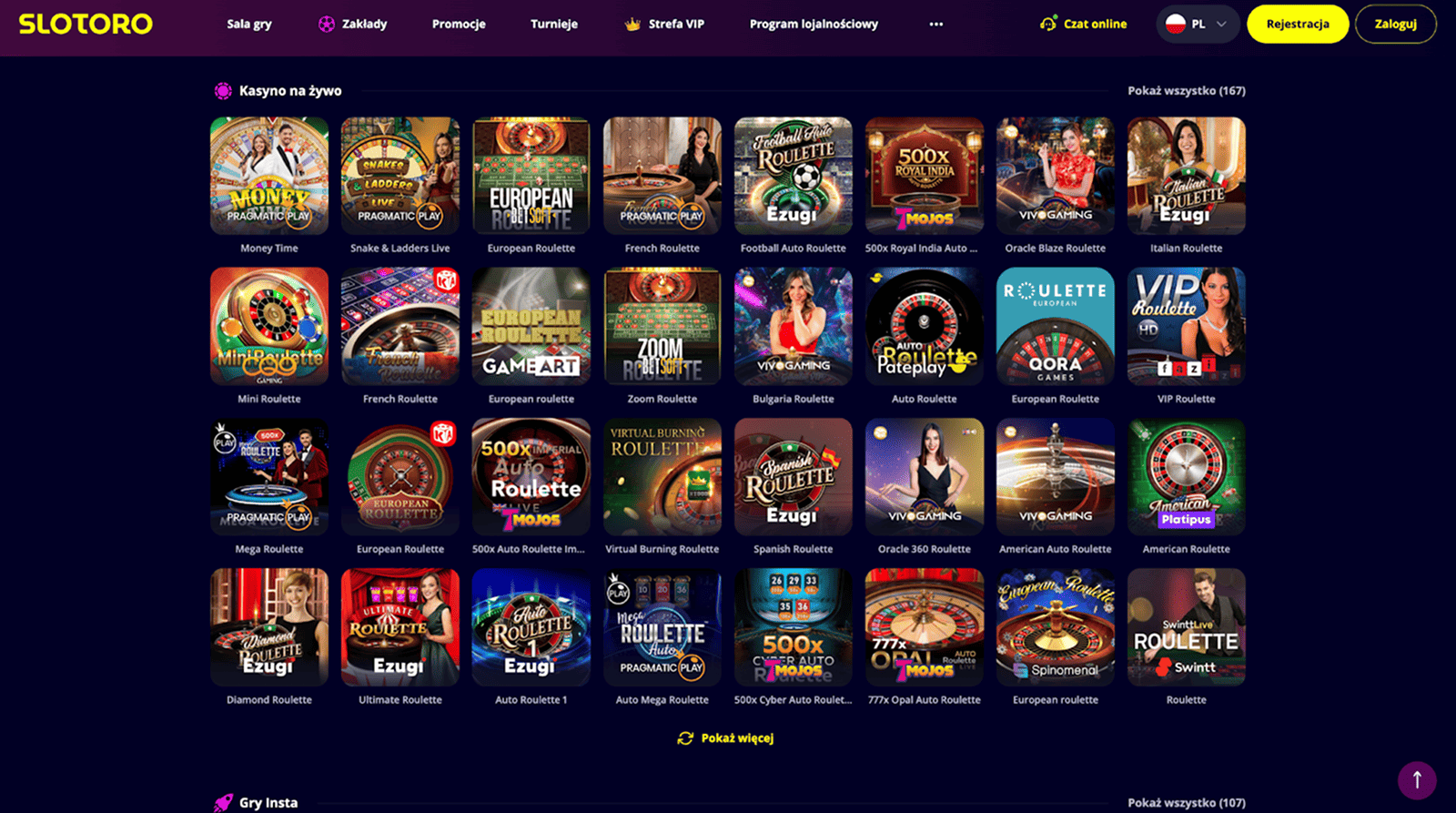
In the background, a usual registration requests your full name, date of birth, physical address and phone number. I treat that as a permanent fingerprint. From a Canadian standpoint, I tell myself that regulated platforms must comply with know-your-customer rules, but that doesn’t imply I should disregard what happens to my device fingerprint, IP address or browsing patterns that get logged silently the moment I land on a login page.
I take the time to note the categories listed in the privacy policy. A reliable casino, like Slotoro Casino, clearly distinguishes necessary operational data from optional behavioural analytics. I appreciate the need for age and location verification, but I become concerned when I see vague phrases like “we may collect additional information to improve your experience.” If I cannot identify exactly what that means, I contact support before proceeding.
How to Identify Privacy Warning Signs on a Login Page
Prior to I ever click “log in,” I promptly check the page footer and inspect the URL domain closely. I have run into phishing duplicates that mirror a legitimate casino’s design but employ a subtle typo in the address. I also search for a visible trust seal that links to a valid security certificate. If the login form lacks a clearly stated link to privacy policy and responsible gambling resources, I exit the tab. A casino that masks these essentials is not one I rely on with my Canadian identity documents.
Another warning sign I look out for is an auto-fill form that demands more detail than usual, like my mother’s maiden name during account recovery setup without SSL encryption flagged. I always use the right mouse button the page and examine the page source to validate the encryption certificate matches the casino’s brand. If I observe the login page is hosted on a different domain than the main site, I consider it a serious security gap and report it before carrying out any further action.
Detailed Guide: How I Secure My Profile at Sign-Up
I never rush the registration screen. First, I confirm that the URL contains HTTPS and the padlock icon is intact; this guarantees the connection protects my keystrokes. After that, I employ an email address used only for gaming, so a breach doesn’t spill into my primary inbox. At Slotoro Casino, I saw the login page implements secure socket layer protection, which made me feel secure before I typed a single detail.
During the form flow, I manually turn every optional consent box off, especially those pertaining to promotional emails or data sharing with affiliates. I only grant permission for what is essential for account maintenance and age verification. I also read the cookie notice. If the casino combines marketing consent into the terms as a non-negotiable, I walk away. My data is too valuable to trade for convenience.
Modifying Privacy Settings Following Your First Login
Once I’m inside the dashboard, I do not assume the default settings are privacy-friendly. I go straight to the account settings, then the security and privacy tabs. There I check toggles that control session timeout duration, display of my username on leaderboards and visibility of my activity to other players. I right away limit any public-facing profile data to the bare minimum, because I have seen how easily social engineering can begin with a bbc.co.uk simple screen name.
I also examine the email notification preferences and untick any box that would send me promotional offers based on “profiling.” In Canada, I appreciate that some provinces require explicit opt-in for marketing communications. Still, I manually disable transaction alerts that might contain sensitive balance figures in the subject line. If a casino allows me to mask my withdrawal method or hide my recent wins, I enable those options. Privacy is not fixed; I review these controls monthly.
Staying Safe on Public or Open Networks
I never access my casino account using airport Wi‑Fi or a coffee shop hotspot if I don’t have a virtual private network turned on. Open networks subject my traffic to packet sniffing, and even a secured login page can be weakened if the initial handshake is hijacked. In Canada, I often move between provinces and rely on my VPN to keep my connection encrypted end‑to‑end, ensuring that my login credentials and session cookies remain invisible to anyone eavesdropping on the same network.
I also wipe my browser cache and turn off the “remember me” checkbox whenever I use a device that is not exclusively mine. Autofill settings can leak my registered email address to the next person who launches the browser. For mobile play, I prefer the official casino app rather than a mobile browser because apps typically employ certificate pinning, which prevents man‑in‑the‑middle attacks. These habits keep my Slotoro Casino account locked tight no matter where I choose to play.
